


What is an Owl Prowl?!
This Valentine's Day we have an Owl Prowl scheduled at Kleinstuck Nature Preserve in Kalamazoo, Michigian so I thought I should hop on here and explain what an Owl Prowl entails and let you all know a little more about our hooty, nocturnal friends.

Winters in northern latitudes are typically considered the 'slow time' for birding - migratory birds species have gone south to tropical climates to soak up some sun before making their remarkable journeys back north to breed in the summer. Although many birds found in Michigan are of the migratory inclination, there are plenty of birds that choose to stick out the cold winters and among those are owls! These remarkable birds are symbols of wisdom, even if we still might not know how many licks it takes to get to the center of a Tootsie Roll Tootsie Pop.
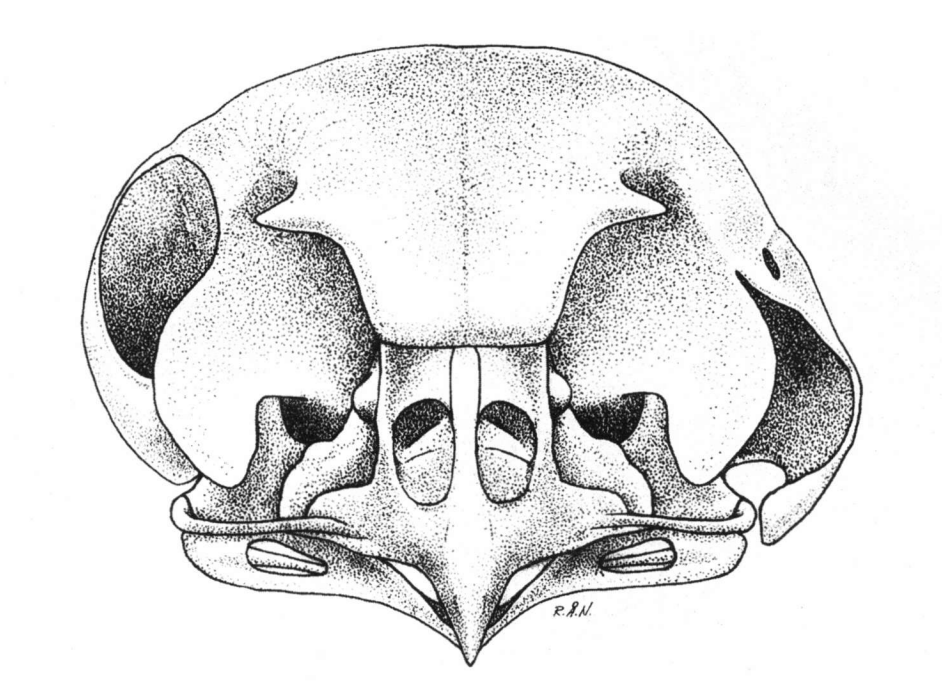
These denizens of the night have a few really unique features that make them the alluring, stealthy creatures we know. First and possibly most notable is their enormous eyes. Just as the Big Bad Wolf would say, "All the better for seeing with, my dear." These large eyes let in tons of light when it's dwindling in the dawn and dusk hours - times when most owl species are actively hunting. Moving out from the eyes we can see the 'face plates' that give some owls the appearance of a heart-shaped face. These 'face plates' are really just a formation of feathers that create a disc-like feature that funnels sound in the environment into the owl's ear canals.
Speaking of ear canals, owls have pretty special ones! I'm sure we all know, and anyone who wears glasses can attest to this fact, that our human ears are not perfectly symmetrical. Owl ear canals are exaggeratedly asymmetrical, as this helps them triangulate the exact location of a sound - certainly an important ability when you're searching for tiny prey in a dense habitat.
The last thing I'll tell you about, although there's certainly more that could be said, is owl feathers. Most bird feathers are stiff and make sound as air swooshes over and through them. This is how they create the air foil that keeps them aloft, just like how airplanes work (and not coincidentally!). Owls, however, can't afford to blow their cover by having loud, flappy flight. Instead, their feathers are extra soft and have 'fluffy' edges that allow air to pass silently. And we're not even going to mention how some owl species have ultra-violet feathers.
So now that I've convinced you that owls are cool, we can get to the point - what is an Owl Prowl?! Owl Prowls are just extra special owl-centric outings. They're typically in January or February when owl courtship and nesting are in full swing. Looking for owls during these peak times in their breeding cycle increases our chances to hear them hooting (maybe even dueting) and means that they're more likely to be constricted to a smaller range than if they were just roaming about looking for food. Of course there are other ways to look for owls, or 'owling' as some people call it, but I like the non-intrusive style of a good old fashioned Owl Prowl. We'll go, we'll keep a keen eye and ear out for owls, but we'll also enjoy an otherwise overlooked season and all of the other non-migratory birds that call Michigan home. While I can't guarantee that we'll see or hear an owl, I can guarantee that nature will have something to show us!
A snowy owl (Bubo scandiacus) on a rooftop in Seattle's Queen Anne neighborhood. A barred owl (Strix varia) at Lillian Anderson Arboretum in Oshtemo, Michigan.


